
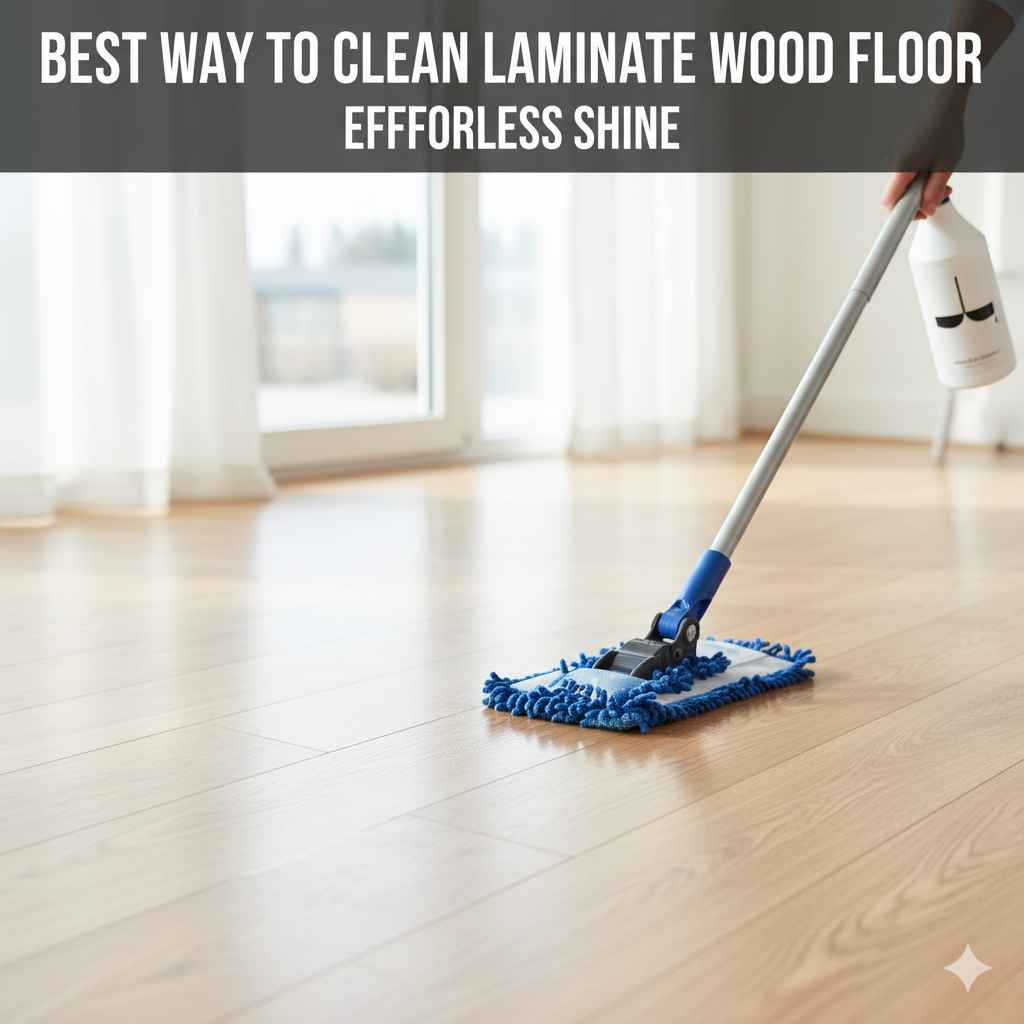
The best way to clean laminate wood floors involves a simple routine of dry sweeping or vacuuming followed by damp mopping with a specialized laminate floor cleaner or a DIY solution of water and mild detergent. This approach effectively removes dirt and grime without oversaturating the planks, preserving their shine and longevity for a beautiful, effortless finish.
Laminate wood floors are a beautiful, budget-friendly choice for many homes. They mimic the look of real wood but can be a bit tricky to clean. Many homeowners worry about using too much water or the wrong cleaner, fearing they’ll damage the floor. If you’ve ever felt unsure about how to get that perfect, streak-free shine without harming your laminate, you’re in the right place! I’m Md Meraj, and I’m here to share simple, effective methods to make your laminate floors sparkle. We’ll go through everything step-by-step, so you can feel confident and achieve amazing results. Let’s get those floors looking their best!
Keeping your laminate floors clean doesn’t have to be a chore. With the right techniques and a few key supplies, you can achieve a brilliant shine that makes your home feel fresh and inviting. It’s all about gentle care and the right touch, ensuring your beautiful floors stay that way for years to come. No harsh chemicals or endless scrubbing needed!
Why Simple Cleaning Matters for Laminate Floors
Laminate flooring is designed to be durable and low-maintenance, which is a big part of its appeal. However, its construction—typically a layered composite material with a photographic image layer and a clear protective wear layer—means it requires specific care. Unlike solid wood, laminate has a sealed surface that doesn’t absorb spills quickly. This is great for resisting stains but also means standing water or harsh cleaners can seep into the seams or damage the wear layer over time. This can lead to swelling, warping, or a dull, cloudy finish that’s hard to remove. That’s why a gentle yet effective cleaning method is the “best way” to maintain its beauty and integrity.
The goal is to lift dirt, dust, and everyday grime without introducing excess moisture or abrasive elements that could scratch or dull the protective topcoat. A healthy wear layer repels most spills, but prolonged exposure to moisture is its enemy. We want to remove surface debris and any sticky residue gently, leaving behind a clean, bright surface. This routine approach not only keeps your floors looking good but also protects your investment.
Essential Tools and Supplies for Laminate Floor Cleaning
Before we dive into the cleaning process, let’s gather what you’ll need. Having the right tools makes the job much easier and more effective. Think of these as your trusty companions on the journey to sparkly laminate floors.
- Microfiber Mop: This is your best friend for laminate. Microfiber pads are excellent at trapping dust and dirt and hold just the right amount of moisture. They also won’t scratch your floors.
- Soft-Bristle Broom or Dust Mop: For daily dry sweeping to pick up loose debris before mopping. A good set of bristles will get into corners without scuffing.
- Vacuum Cleaner with a Hard Floor Attachment: If you prefer vacuuming, ensure it has a setting for hard floors or a brush roll that can be turned off. This prevents scratching. Always check your vacuum manufacturer’s recommendations for laminate floors.
- Bucket: For holding your cleaning solution.
- Suitable Cleaning Solution: This can be a commercially designed laminate floor cleaner, or a DIY mixture.
- Spray Bottle (Optional but Recommended): For a light misting of cleaner, allowing for better control of moisture.
- Clean, Soft Cloths: For spot cleaning or buffing.
Choosing the right cleaning solution is crucial. Many general floor cleaners, especially those with ammonia or wax, can leave a residue or damage the laminate’s finish. Always opt for pH-neutral cleaners or those specifically formulated for laminate. A great resource for understanding floor care is often provided by flooring manufacturers themselves; checking their maintenance guides can offer specific insights for your type of flooring. For instance, the National Wood Flooring Association offers extensive resources on flooring care, though it’s important to note their primary focus is wood, and specific laminate care may differ. They emphasize the importance of protecting the finish, a principle that strongly applies to laminate’s protective layer.
The Best Way to Clean Laminate Wood Floor: A Step-by-Step Guide
Following a consistent routine is key to keeping your laminate floors looking their best. This method focuses on efficiency and effectiveness, ensuring a clean floor without unnecessary risks.
Step 1: Dry Cleaning – Remove Loose Debris
This is the first and most important step. Dust, dirt, and grit are like fine sandpaper on your floors. Removing them before wet cleaning prevents scratching and ensures your mop works on stuck-on grime, not just mud.
How to do it:
- Sweep: Use your soft-bristle broom or dust mop. Work in the direction of your floorboards. Start in one corner of the room and sweep your way out. Pay attention to edges and corners where dust often accumulates.
- Vacuum: Alternatively, use your vacuum cleaner with the appropriate hard floor attachment. Make sure the beater bar (the spinning brush) is either turned off or set to a height that doesn’t make direct contact with the floor. Glide the vacuum smoothly to pick up dust and small particles.
Regular dry cleaning, ideally daily or every other day, significantly makes the mopping stage much simpler and more effective. Think of it as preparing the canvas before you start painting!
Step 2: Prepare Your Cleaning Solution
Now, let’s get your cleaning solution ready. The goal is to have a solution that cleans without leaving residue or excess moisture.
Option A: Commercial Laminate Floor Cleaner
- Purchase a cleaner specifically labeled for laminate floors.
- Follow the manufacturer’s dilution instructions on the bottle. Most are ready-to-use in a spray bottle or require a small amount mixed with water in a bucket.
Option B: DIY Mild Cleaning Solution
For a simple, effective DIY cleaner, water is your primary ingredient. Avoid harsh soaps or anything acidic/alkaline.
- Fill a bucket with warm water (about a gallon).
- Add a very small amount of mild dish soap (just a few drops, maybe 1/2 teaspoon at most). You want a degreaser, not suds! Too much soap will leave a sticky, dull residue.
- Alternatively, some people use about 1/4 cup of white vinegar per gallon of water. Vinegar is acidic and can help cut through grime, but use it sparingly, as too much can dull the finish over time. Always test this in an inconspicuous spot first.
Important Note: Never use wax-based cleaners, furniture polish, abrasive cleaners, or steam mops on laminate floors. These can damage the finish and void manufacturer warranties. A quick check on resources like EPA’s Safer Choice program can help you identify household cleaners that are safer for your home and environment, often highlighting water-based or less harsh chemical options that are suitable for delicate surfaces.
Step 3: Damp Mop Your Floors
This is where the magic happens, but it needs to be done with care.
How to do it:
- Wring Out Your Mop: This is the most critical part: your mop should be barely damp, not wet. If you’re using a spray mop, give it a few sprays. If using a bucket, dip your microfiber pad or mop head into the solution, then wring it out thoroughly. You want it to feel almost dry to the touch. The goal is for the floor to dry within a minute or two of mopping.
- Mop in Sections: Start in the corner farthest from the door and work your way backward towards the exit. This way, you won’t walk on the freshly mopped floor.
- Use Light, Even Strokes: Mop in the direction of your floorboards. Don’t scrub aggressively. Let the damp microfiber pad do the work of picking up any remaining dirt or smudges.
- Rinse and Wring (if necessary): If your floor is still visibly dirty after the first pass, or if your cleaning solution has residue, you might need to rinse your mop pad frequently and wring it out very well. For very dirty floors, consider a second pass with a mop rinsed only in clean water to remove any lingering cleaning solution.
Step 4: Allow to Dry and Inspect
Once you’ve finished mopping, let the floor air dry completely. Laminate floors usually dry very quickly with this damp mopping method.
How to do it:
- Ventilate: If possible, open windows or turn on ceiling fans to help speed up drying.
- Inspect: Once dry, walk around and admire your work! Check for any missed spots or streaks. If you see any streaks, it usually means there was too much cleaner or not enough wringing out of the mop.
If you notice streaks, you can often buff them out with a clean, dry microfiber cloth. For persistent dullness, it might indicate a residue buildup from previous cleanings. More on that in the FAQ section!
Dealing with Tougher Stains and Spills
Accidents happen, and sometimes a simple mop isn’t enough for stubborn marks. Fortunately, laminate is relatively forgiving if you act quickly and use the right approach.
For General Spills:
- Wipe them up immediately with a clean, damp cloth.
- Dry the area with another clean cloth.
For Sticky Residue or Food Stains:
- Use a slightly damp cloth with a bit of your laminate cleaner or the mild DIY solution.
- Gently rub the spot.
- Wipe the area clean with a cloth dampened only with water.
- Dry thoroughly.
For Scuff Marks:
- Often, rubber scuff marks from shoes can be removed with a clean pencil eraser or a damp microfiber cloth.
- For tougher scuffs, a tiny amount of mineral spirits on a cloth can sometimes help, but test this in an inconspicuous area first and wipe clean with water afterward. Be very sparing.
For Ink, Paint, or Tar:
- These are tougher and require careful treatment. Try a cleaner specifically designed for these types of stains on laminate, or a small amount of isopropyl alcohol (rubbing alcohol) on a cloth.
- Apply to the cloth first, then gently dab the stain. Avoid rubbing vigorously, as this can spread the stain or damage the surface.
- Rinse the area with a damp cloth and dry.
Always remember to test any spot-cleaning solution in a hidden area of your floor first. This ensures it won’t discolor or damage the laminate. The National Center for Healthy Housing provides excellent information on creating a healthy home environment, and this includes using safe cleaning products that won’t introduce harmful chemicals or damage your living space’s surfaces. While not specific to laminate, their general advice on reducing indoor pollutants and choosing effective, low-toxicity cleaners is a great guiding principle.
Preventative Maintenance: Keeping Your Laminate Floors in Top Shape
The best way to clean is often to prevent dirt and damage in the first place. A little preventative care goes a long way in maintaining that effortless shine and extending the life of your laminate floors.
- Use Entry Mats: Place mats both inside and outside all entry doors. This traps a significant amount of dirt, sand, and moisture before it even gets onto your floors.
- Use Furniture Pads: Place felt pads under the legs of chairs, tables, and sofas. This prevents scratches and scuff marks when furniture is moved, even slightly. Regularly check and replace these pads as they wear down.
- Trim Pet Nails: Keep your pets’ nails trimmed to minimize scratching.
- Remove Shoes: Encourage family members and guests to remove their shoes at the door. This is one of the most effective ways to reduce tracked-in dirt and grit.
- Protect from Direct Sunlight: Prolonged exposure to direct sunlight can fade laminate flooring over time. Use curtains, blinds, or UV-filtering window films to protect your floors.
- Clean Spills Immediately: Don’t let spills sit. The longer they are there, the more likely they are to seep into seams or leave a stain.
These simple habits, combined with regular gentle cleaning, will keep your laminate floors looking beautiful and new for years. They are a testament to the idea that good craftsmanship and maintenance go hand-in-hand.
Table: Comparison of Cleaning Methods for Laminate Floors
Understanding which methods are best (and worst) can save you a lot of trouble. Here’s a quick comparison to help you make informed choices.
| Cleaning Method | Pros | Cons | Best For |
|---|---|---|---|
| Dry Sweeping/Vacuuming | Removes loose dirt and grit; Prevents scratching during wet cleaning; Quick and easy. | Doesn’t remove stuck-on grime or stains. | Daily maintenance; Removing debris before mopping. |
| Damp Mopping (with proper solution) | Effectively cleans surface dirt and light grime; Leaves a streak-free shine; Safe for laminate when done correctly. | Requires care to avoid over-wetting; Might not tackle tough stains. | Regular cleaning; Maintaining overall cleanliness. |
| Using a Steam Mop | Sanitizes surfaces; Uses only water (no chemicals). | Can push moisture into seams, causing damage (warping, swelling); Very high risk for laminate. | Not recommended for laminate floors. |
| Using Wax-Based Cleaners | Can create a temporary shine on some surfaces. | Leaves a waxy residue that dulls the finish; Difficult to remove; Can make floors slippery. | Not recommended for laminate floors. |
| Using Harsh Chemicals (Ammonia, Bleach, Abrasives) | Can be effective for tough cleaning on other surfaces. | Damages the protective wear layer; Can cause fading, dullness, or permanent discoloration. | Not recommended for laminate floors. |
| Spot Cleaning with Mild Solutions | Targets specific stains without over-wetting the entire floor. | Requires testing; May not work on all stain types. | Addressing spills, scuffs, and targeted messes. |
As you can see from the table, the “best way” consistently points towards gentle, controlled cleaning methods. For laminate, dry cleaning followed by carefully damp mopping is the undisputed champion for routine care, with spot cleaning as the hero for emergencies.
Frequently Asked Questions (FAQ) about Cleaning Laminate Floors
Here are some common questions homeowners have about keeping their laminate floors pristine.
1. Can I use a regular floor cleaner on my laminate?
Answer: Generally, no. Most standard floor cleaners are not suitable for laminate. Avoid cleaners that contain ammonia, wax, or oil. These can leave a cloudy residue or damage the protective wear layer of your laminate floor. Always use cleaners specifically designed for laminate or a very mild DIY solution like water with a few drops of pH-neutral dish soap.
2. How often should I clean my laminate floors?
Answer: For best results, you should dry sweep or vacuum your laminate floors daily or every other day to remove loose dirt and grit. Damp mop them once a week, or more often in high-traffic areas, depending on how quickly they get dirty. Immediate cleanup of spills is also crucial.
3. What’s the biggest mistake people make when cleaning laminate?
Answer: The biggest mistake is using too much water. Laminate is not waterproof, and excess moisture can seep into the seams, causing the core material to swell and the planks to warp. Always use a barely damp mop and ensure the floor dries quickly.
Recent Posts
Many people wonder if they can safely burn firewood that might have termites. It's a common question because nobody wants to damage their home or start a fire that's not safe. The good news is,...
It’s pretty common for folks to wonder, Can You Hear Termites Eating Wood? Warning Signs can sometimes be sneaky, and for those new to spotting them, it might feel a little tricky. You might be...