

Many people wonder if they can safely burn firewood that might have termites. It’s a common question because nobody wants to damage their home or start a fire that’s not safe. The good news is, understanding this isn’t as hard as it seems.
We’ll break down exactly what you need to know to be sure about burning your wood. Let’s get started so you can feel confident about your fireplace and woodpile.
Can You Burn Firewood With Termites? Safety Explained
This question often pops up when someone finds a log that looks a bit damaged or sees small insects crawling around. It’s a natural concern because fire is powerful, and we want to handle it responsibly. Knowing whether termites in your firewood pose a real danger is key to enjoying a warm fire without worry.
We’ll explore the risks and what you can do to stay safe and sound.
What Are Termites and What Do They Do to Wood
Termites are small insects that are often mistaken for ants. They are social insects, meaning they live in colonies with a queen, workers, and soldiers. Their primary food source is cellulose, a material found in wood and plants.
This is why they are so attracted to wooden structures and firewood.
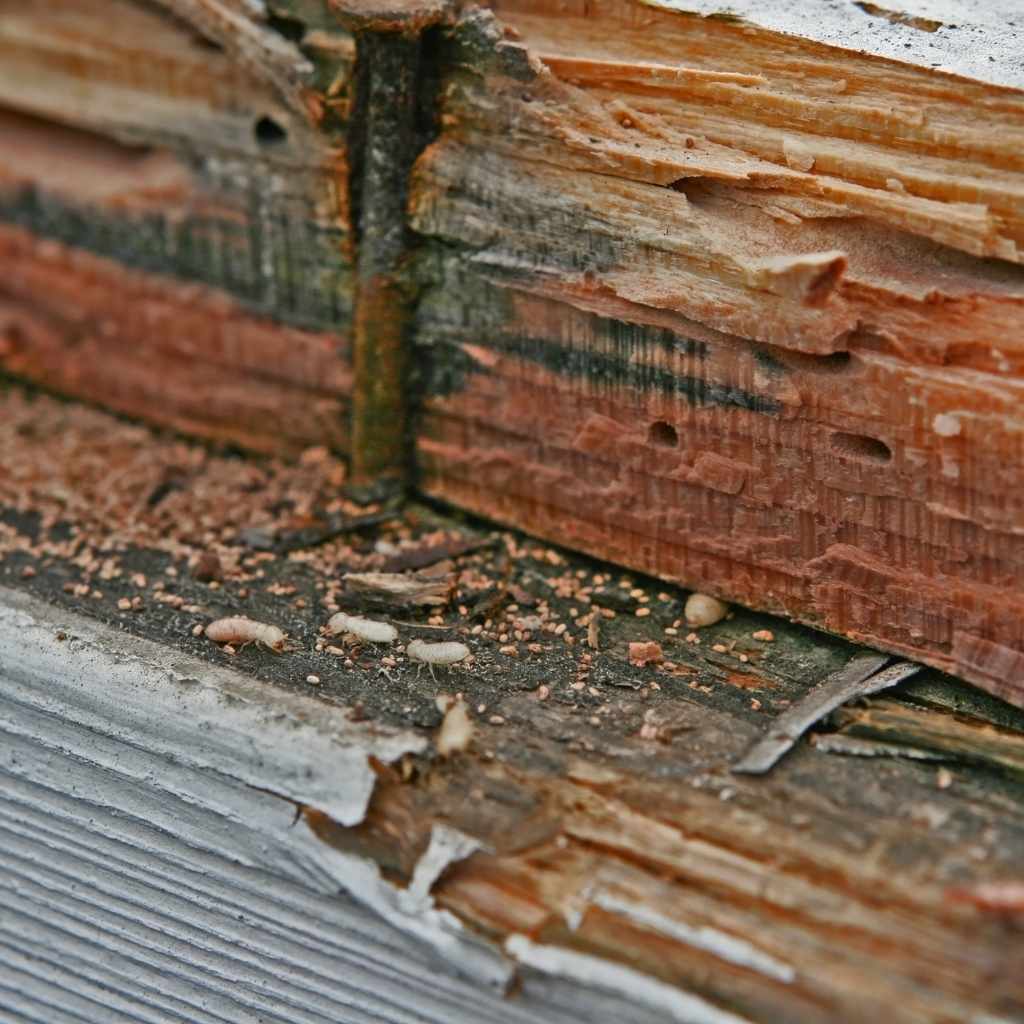
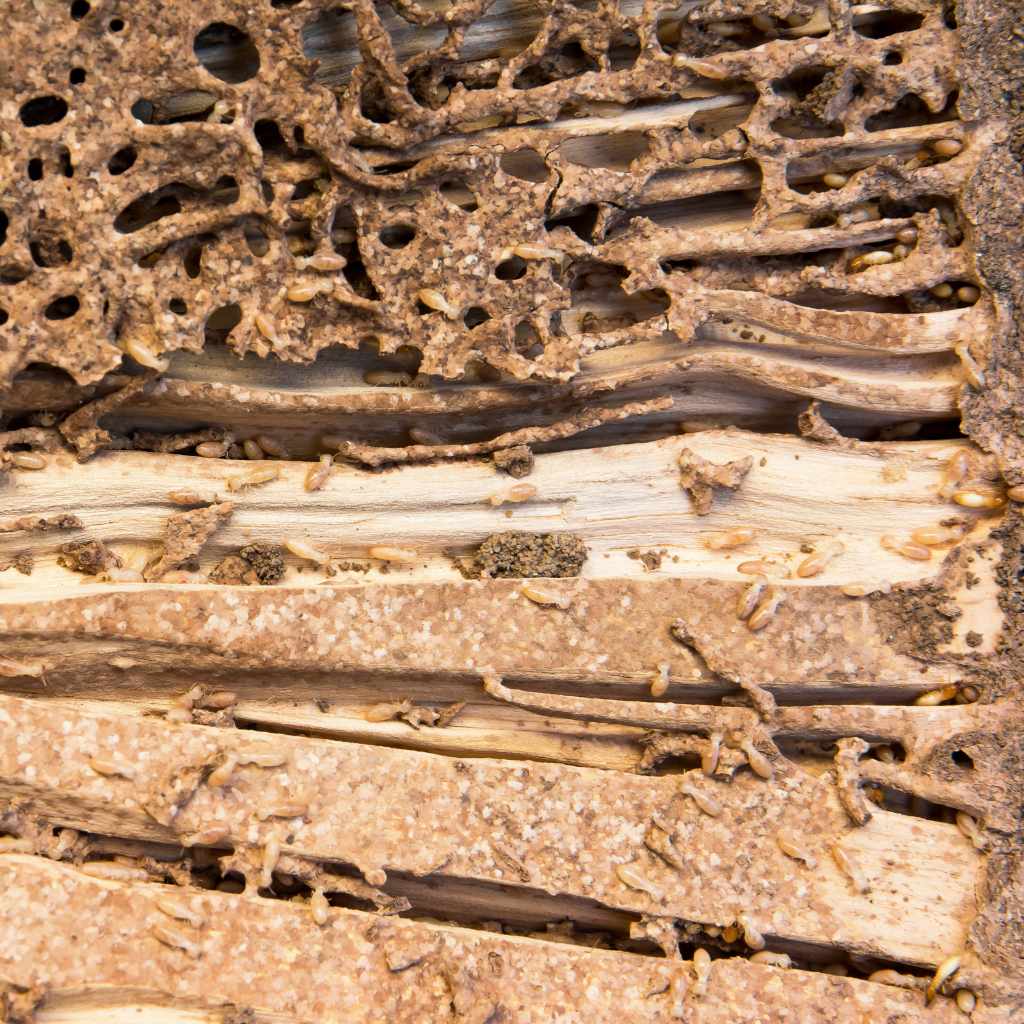
When termites infest wood, they tunnel through it, creating galleries and chambers. This tunneling weakens the wood over time, making it hollow and crumbly. You might notice signs like mud tubes, discarded wings, or frass (termite droppings that look like tiny pellets).
In firewood, these signs might be less obvious initially, as the wood is often outdoors and already weathered.
Understanding how termites damage wood helps us assess the risks associated with burning infested logs. It’s not just about the insects themselves, but the structural integrity of the wood and the potential spread of an infestation.
- Termite Diet: Termites eat cellulose, which is abundant in wood. This is their primary reason for being in your firewood.
- Wood Damage: They create tunnels, weakening the wood and making it less dense. This can make the wood burn differently.
- Signs of Infestation: Look for mud tubes, discarded wings, or fine, pellet-like droppings (frass). These are clear indicators that termites have been active.
Termites are attracted to wood that is already damp or decaying. This often means that firewood that has been sitting around for a while, especially if it’s in contact with the ground, is more susceptible to termite activity. While they don’t eat the wood to ash, their tunneling and weakening effect can be significant.
The Risks of Burning Termite-Infested Firewood
Burning firewood that has termites might seem like a simple solution to get rid of them, but it comes with potential risks. The main concern is not usually the termites themselves, but the condition of the wood they have affected. Termites weaken the wood, which can lead to several issues when you’re trying to get a fire going.
One significant risk is that the wood might burn unevenly or less efficiently. Termite-infested wood can be more hollowed out, leading to faster burning and less heat output. You might also find that the wood crumbles more easily, creating more ash and potentially less pleasant smoke.
Another consideration is the potential for spreading termites. While the heat of a fire would kill any termites present in the burning log, if there are live colonies nearby, burning infested wood won’t eliminate the source. It’s important to address the termite problem at its root if you have an infestation in your wood storage area.
There’s also a slight concern about indoor air quality. While burning wood is a common practice, introducing wood with extensive insect activity could potentially release more particles into the air. This is usually a minor concern, but worth noting for those with sensitivities.
- Uneven Burning: Termites create tunnels, which can make the wood burn too quickly or inconsistently.
- Reduced Heat Output: The weakened wood may not provide as much warmth as solid, healthy firewood.
- Spread of Infestation: Burning infected logs won’t solve an ongoing termite problem in your woodpile or nearby structures.
- Air Quality: While usually minimal, burning highly infested wood could lead to more fine particles in your home’s air.
It’s also important to remember that termites aren’t typically aggressive towards humans. They are focused on consuming wood. However, their presence signals a potential issue with the wood itself and its readiness for burning.
Can You Burn Firewood With Termites? Safety Explained
So, to directly answer the question: Can You Burn Firewood With Termites? Safety Explained is that yes, you generally can burn firewood that has signs of termites. The primary reason is that the intense heat of a fire will kill the termites.
The insects themselves are not toxic or dangerous to burn in small numbers.
However, it’s not a simple “yes” without some important considerations. The real issue isn’t the termites themselves, but the condition of the wood. Termites weaken the wood, making it less dense and potentially leading to faster, less efficient burning.
This means you might get less heat from your firewood and have to restock more often.
Furthermore, if you have a significant termite infestation in your wood storage area, simply burning a few logs won’t solve the problem. The termites might be coming from a larger colony. You’ll need to address the source of the infestation in your woodpile or structures if you want to prevent future problems.
The burning process itself is generally safe from a chemical standpoint. Termites are just insects. However, if the wood is heavily damaged, it might crumble more and create more ash, which could affect the efficiency of your fireplace or wood stove.
- Heat Kills Termites: The fire’s temperature will destroy any termites present in the burning wood.
- Wood Condition Matters More: The real concern is how termite damage affects the wood’s quality for burning.
- Source Control is Important: If you see many termites, look for the main colony or infestation source.
- No Toxic Byproducts: Burning termites does not release dangerous chemicals into the air.
It’s always best to use seasoned firewood, which means wood that has been dried for at least six months. Termite activity is more common in green or damp wood. Using well-seasoned wood reduces the likelihood of finding termites in the first place.
Assessing Your Firewood for Termite Damage
Before you decide to burn any firewood, it’s wise to take a moment to inspect it. This will help you understand if termites have been busy and how much they’ve affected the wood. A quick visual check can tell you a lot about the quality and safety of the logs you’re about to put in your fireplace.
Look for the tell-tale signs. Are there small tunnels or galleries inside the wood? Does the wood feel unusually light or crumbly for its size?
Sometimes, you might even see tiny piles of what looks like sawdust or sand near the logs; this is called frass, and it’s a strong indicator of termite activity.
You might also notice mud tubes running along the surface of the wood. Termites build these tubes to travel between their colony and their food source. If you see these, it’s a clear sign that termites have been active in or around your firewood.
The presence of these signs doesn’t mean you can’t burn the wood, but it does mean you should be aware of its condition.
Remember that not all damage to wood is caused by termites. Other insects or natural decay can also affect firewood. However, identifying termite damage specifically helps you understand the potential for structural weakening and the presence of live insects.
Identifying Visual Signs of Termite Activity
When you’re examining your firewood, there are specific visual clues that point to termites. One of the most obvious is the presence of mud tubes. These are usually about the diameter of a pencil and are made from soil, mud, and termite saliva.
Termites build these tubes to protect themselves from drying out and to navigate their environment.
You might also see what looks like sawdust or tiny pellets scattered around your firewood. This is called frass, and for some types of termites (like drywood termites), it’s a key indicator. Frass is ejected from the termite tunnels and creates small piles.
It often looks like tiny seeds or fine sand.
When you split a log, look for hollowed-out sections or internal galleries. These are the pathways that termites create as they feed on the wood. The wood might appear lighter and more brittle in these areas.
Sometimes, you can even see the termites themselves if the infestation is active and you break open a tunnel.
Discarded wings are another common sign, especially around windows or light sources if termites are swarming. While less likely to be found directly on firewood stored outside, if you have a severe infestation, you might find them near your woodpile.
- Mud Tubes: These tunnels made of soil and saliva are a strong sign of subterranean termites.
- Frass (Droppings): Tiny pellets resembling sawdust or sand are common signs of drywood termites.
- Internal Galleries: Hollowed-out sections or tunnels within the wood itself indicate termite feeding.
- Discarded Wings: Finding shed wings can signal a termite swarm, though less common on firewood itself.
It’s also worth noting that the type of wood can sometimes give clues. Hardwoods and softwoods can both be affected, but the way termites tunnel might vary slightly.
Understanding Wood Degradation Due to Termites
Termites primarily consume the cellulose within wood, which is the structural component that gives it strength. As they tunnel and feed, they break down this structure, creating a network of galleries. This process significantly degrades the wood’s integrity.
Imagine a solid beam; as termites tunnel through it, it becomes weaker, like a honeycomb. This means the wood loses its density. A log that looks solid on the outside might be hollowed out on the inside by termites.
This makes the wood lighter than it should be and more prone to breaking apart.
The degradation isn’t just about physical weakening; it can also affect how the wood burns. Areas that have been heavily tunneled are less dense, meaning they will catch fire more quickly and burn through faster. This can lead to a shorter burn time and less consistent heat.
You might find yourself adding wood to the fire more frequently.
Furthermore, the increased surface area of the internal tunnels can sometimes lead to faster ignition. While this might sound like a positive, it often means uncontrolled burning and less usable heat energy released.
- Loss of Density: Termites eat away at the wood’s core, making it less dense and weaker.
- Internal Tunneling: The creation of galleries and tunnels significantly compromises the wood’s structure.
- Faster Burning: Less dense, tunneled wood ignites and burns more quickly, reducing overall burn time.
- Reduced Heat Output: The energy that would have been released from solid wood is lost to faster combustion and incomplete burning.
This degradation is why heavily infested wood is often less desirable for firewood. It doesn’t burn as efficiently and can create more ash, which needs to be cleaned out of your fireplace or stove.
Can you burn termite-ridden wood? What to Watch For
When considering whether to burn wood with termite activity, pay close attention to the extent of the damage. Light infestation might mean you only see a few mud tubes or some minor tunneling. In such cases, the wood is likely still usable and safe to burn.
However, if the wood is heavily compromised, meaning large sections are hollowed out, very crumbly, or completely riddled with galleries, you should be more cautious. Severely damaged wood can break apart easily, creating a lot of fine debris and ash. This can make the fire messy and less efficient.
Also, consider the source of the termites. If you’ve noticed termite activity on your house or other wooden structures, it might be a sign of a larger colony that needs professional attention. Burning infested firewood won’t solve that larger problem.
A good rule of thumb is that if the wood is structurally sound enough to handle and move without it falling apart in your hands, it’s probably okay to burn. If it crumbles at the slightest touch, it might be too degraded for efficient burning.
Think about the visual. Imagine a log. If it looks like a normal log with maybe a few tell-tale signs, it’s likely fine.
If it looks like it’s been chewed up from the inside out, it’s probably best to use it only if you have no other options, or perhaps avoid it altogether.
- Light Infestation: A few signs of termites are generally not a problem for burning.
- Heavy Infestation: Wood that is very crumbly or hollowed out might burn poorly.
- Structural Integrity: If the wood can be handled without breaking apart, it’s likely safe to burn.
- Source of Termites: If termites are an issue around your home, address the larger colony first.
It’s always better to err on the side of caution. If you’re unsure about the condition of your firewood, it’s often best to avoid burning it and opt for wood that you know is free from significant damage.
The Process of Burning Termite-Infested Firewood
If you’ve decided that your firewood, despite some signs of termites, is still suitable for burning, you’ll want to know how to go about it safely and efficiently. The process itself isn’t dramatically different from burning any other type of wood, but there are a few things to keep in mind to ensure the best results and minimize any potential issues.
The key is to manage your expectations regarding burn time and heat output. Since termite-damaged wood is often less dense, it may burn more quickly. This means you might need to add logs to your fire more frequently to maintain warmth.
The heat produced could also be less intense compared to solid, seasoned hardwood.
Pay attention to how the fire behaves. If you notice excessive ash production or smoke, these could be indicators that the wood is more degraded than you thought. Proper ventilation for your fireplace or wood stove is always important, but especially so when burning wood that might produce more fine particles.
Before lighting the fire, ensure your chimney is clean and in good working order. This is a standard safety practice for any wood burning, but it’s crucial to prevent chimney fires, especially if the wood is burning faster than usual.
How Heat Affects Termites and Their Eggs
When you put termite-infested firewood into a hot fire, the intense heat has a rapid and lethal effect on the insects. Termites, like most insects, are cold-blooded and cannot survive high temperatures. The heat from the burning wood quickly penetrates the logs and kills any termites within.
The temperature inside a burning log can reach hundreds of degrees Fahrenheit. This is far beyond the survival limits for termites. Even if the termites are deep within the tunnels, the heat will eventually reach them.
This effectively sterilizes the log, ensuring that the termites are eliminated from that specific piece of wood.
What about termite eggs? Eggs are also susceptible to high temperatures. While they might be slightly more heat-resistant than adult termites, sustained exposure to the heat generated by burning firewood will also destroy them.
This means that a log burned completely will not contribute to the spread of termites from that log itself.
It’s important to note that this process only affects the termites within the log you are burning. It does not eliminate termites from a larger colony that might be in your woodpile or in nearby structures. The burning process is a disposal method for the insects within that specific piece of wood.
- Lethal Temperatures: The heat of a fire quickly kills adult termites.
- Egg Destruction: High temperatures also effectively destroy termite eggs.
- Sterilization of Logs: Burning kills all termites and eggs within the specific log being burned.
- Localized Effect: This process only impacts termites in the burning log, not those in a larger colony.
Therefore, while burning is an effective way to get rid of termites in the wood you are using for fuel, it’s not a standalone pest control solution for an active infestation.
Managing Ash and Debris from Infested Wood
When burning firewood that has been affected by termites, you might notice a difference in the amount of ash produced. The tunnels and weakened structure of the wood can cause it to break down more readily, leading to a higher proportion of fine ash and debris compared to solid wood.
It’s important to manage this ash appropriately to keep your fireplace or wood stove functioning well and to maintain safety. Regular ash removal is always recommended. If you’re burning termite-ridden wood, you might find you need to clean out the ash pan or firebox more frequently.
Consider using a sturdy metal ash bucket to collect the hot ashes. Never dispose of ashes in a plastic container or near anything flammable, as they can remain hot for a long time, even for days. Ensure ashes are completely cool before disposing of them outside, away from your home and any combustible materials.
You might also notice more fine dust or small wood particles that don’t fully burn. These can accumulate in the firebox. A good set of fireplace tools, including a brush and shovel, will help you keep your fire area clean.
If you have a vacuum designed for fireplace ashes, it can be very effective at removing fine debris.
- Increased Ash Production: Termite-damaged wood may create more fine ash.
- Frequent Cleaning: You may need to clean out ash more often.
- Safe Ash Disposal: Always use a metal container and ensure ashes are completely cool before discarding.
- Tool Use: A brush, shovel, or ash vacuum can help manage fine debris.
Keeping your fireplace clean not only looks better but also improves efficiency and reduces the risk of problems like chimney fires. If you notice a significant increase in ash, it might be an indicator that the wood is degrading faster than expected.
Example Scenario: A Cozy Fireplace Experience
Sarah had a stack of firewood she’d been meaning to use for a while. One afternoon, while bringing logs inside, she noticed a few small tunnels in one of them and a sprinkle of what looked like sand. She remembered reading about termites and wondered if she could still use the wood.
After a quick inspection, she saw that most of the logs looked good. The one with the tunnels wasn’t completely hollowed out and still felt solid enough to handle. She decided to proceed, knowing the heat would kill any bugs.
She made sure her fireplace was clear and her chimney had been recently swept.
When she lit the fire, the wood caught nicely. It burned steadily, providing a good amount of warmth for her living room. She did notice that it seemed to turn to ash a little faster than her usual seasoned oak, so she added another log a bit sooner than she might have otherwise.
By the end of the evening, the fire had been warm and cozy. She managed the slightly higher ash production by cleaning the fi
This scenario highlights that minor termite activity doesn’t automatically make firewood unusable. With a little observation and understanding, you can still enjoy a warm and safe fire.
Alternatives and Prevention for Termite Issues
While burning termite-infested firewood might be an option in some cases, it’s often better to prevent termite problems with your firewood in the first place. There are effective strategies you can use to keep your woodpile healthy and free from these damaging insects. Addressing potential issues before they become a problem will save you a lot of hassle down the line.
Prevention starts with how you store your firewood. Keeping it dry and off the ground is crucial. Termites, especially subterranean termites, are attracted to moisture and areas that offer easy access.
Proper storage helps eliminate these inviting conditions.
If you do find termites, there are ways to deal with them besides just burning the wood. Sometimes, simple physical removal or treating the woodpile area can be enough. For more severe infestations, you might consider professional help.
Proper Firewood Storage to Deter Termites
One of the most effective ways to prevent termites from making your firewood their home is through proper storage. Termites are attracted to moisture and dark, undisturbed environments. By addressing these conditions, you can significantly reduce the risk of infestation.
Firstly, always store firewood off the ground. Use a dedicated wood rack or build a simple platform to elevate the logs. This prevents direct contact with soil, which is a common entry point for subterranean termites.
It also allows for better air circulation, helping the wood dry out more effectively.
Secondly, keep your firewood stack covered, but ensure there is ventilation. A tarp can protect the wood from rain and snow, but it should not be sealed tightly against the sides. Allow air to flow through the stack to prevent moisture buildup.
Damp wood is much more attractive to termites and other pests.
Location of your woodpile also matters. Try to store your firewood away from your house and other wooden structures. This minimizes the risk of termites spreading from your woodpile to your home.
A location that gets plenty of sunlight and air circulation is ideal.
Regularly inspect your woodpile for any signs of termite activity, such as mud tubes or unusual damage. Early detection makes any necessary treatment much easier and more effective.
- Elevate Wood: Store firewood on racks or platforms to keep it off the ground.
- Ventilated Cover: Use a tarp to protect from weather, but allow air to circulate.
- Strategic Location: Keep the woodpile away from your house and in an open, sunny area.
- Regular Inspections: Periodically check your woodpile for signs of pests.
By implementing these simple storage practices, you can create an environment that is far less inviting to termites and other wood-boring insects.
Treating Termite Infestations in Firewood
If you discover termites in your firewood, you have a few options for treatment besides just burning the affected logs. The best approach often depends on the severity of the infestation and your comfort level with pest control methods.
For minor infestations, physically removing the affected parts of the wood might be sufficient. If you find a log with tunnels, you could try to break off the infested sections and discard them away from your main woodpile. This helps contain the problem.
Another option is to use natural deterrents. Some people have found success by applying diatomaceous earth around their woodpile. This is a natural powder made from fossilized algae that works by scratching the exoskeletons of insects, causing them to dehydrate.
However, it needs to be reapplied after rain.
If the infestation is more significant, you might consider using commercial termite baits or barrier treatments around your wood storage area. These are designed to target termite colonies. Always follow product instructions carefully and consider the environmental impact.
In cases of widespread or persistent infestation, especially if you are concerned about termites spreading to your home, consulting a professional pest control service is the most reliable solution. They can assess the situation and recommend the most appropriate and effective treatment plan.
- Physical Removal: Break off and discard lightly infested sections of wood.
- Natural Deterrents: Consider using diatomaceous earth around the woodpile.
- Commercial Treatments: Use termite baits or barrier treatments according to product directions.
- Professional Help: For severe infestations, contact a pest control expert.
Remember that preventing infestations through good storage practices is always easier than treating them once they’ve taken hold.
When to Consider Professional Pest Control
While minor termite issues in firewood can often be managed DIY, there are times when professional help is the smartest choice. If you notice extensive termite activity, it’s a strong indicator that you might be dealing with a significant colony that requires expert attention.
One of the most critical signs that you need professional help is if you see termites or their activity near your home’s foundation, on exterior walls, or inside the house. Termites can cause substantial structural damage to buildings, and early intervention is key to minimizing repair costs and preventing further damage.
You should also call a professional if your attempts at DIY treatment don’t seem to be working, or if the problem seems to be getting worse. This could mean the colony is larger or more established than initially thought.
Professionals have access to specialized tools, knowledge, and treatment options that are not available to the average homeowner. They can accurately identify the type of termite, locate the colony’s source, and implement a targeted treatment plan that is both effective and safe.
Don’t hesitate to seek professional pest control if you have any doubts about the extent of a termite infestation or its potential impact on your property. It’s an investment in protecting your home and peace of mind.
- Extensive Activity: If you see a lot of termites or mud tubes, a professional is recommended.
- Near Home Structures: Termite signs on your house or foundation warrant immediate professional attention.
- DIY Failure: If your own efforts don’t reduce the infestation, call an expert.
- Peace of Mind: Professionals can offer effective solutions and ensure the problem is fully resolved.
Addressing termite issues promptly can save you significant money and stress in the long run.
The Science Behind Wood Burning
Understanding a bit about how wood burns can help you appreciate why termite damage matters. Burning wood is a chemical process that releases stored energy in the form of heat and light. The efficiency and quality of this process depend heavily on the wood itself.
When wood burns, it undergoes pyrolysis. This is when the wood is heated in the absence of oxygen, breaking down into volatile gases, charcoal, and ash. These volatile gases mix with oxygen in the air and ignite, creating the flame.
The charcoal then continues to burn, producing more heat.
The density and moisture content of the wood play huge roles in how well it burns. Denser woods, like hardwoods, tend to burn longer and hotter because they have more fuel packed into them. Dry wood burns more efficiently because less energy is wasted boiling off moisture.
Termite damage affects these factors. By creating internal voids, termites reduce the wood’s density, meaning there’s less fuel in the same volume. This can lead to faster burning and lower heat output, making the wood less ideal for your fireplace.
Understanding Pyrolysis and Combustion
Pyrolysis is the first step in burning wood. When wood is heated above a certain temperature (typically around 300-400 degrees Fahrenheit or 150-200 degrees Celsius), its complex organic molecules begin to break down. This process happens without direct contact with oxygen, which is why it’s distinct from simple burning.
During pyrolysis, wood releases a mixture of gases. These gases are flammable and are what we primarily see as flames when wood burns. Common gases released include methane, hydrogen, carbon monoxide, and various volatile organic compounds.
The composition of these gases influences the smell and characteristics of the smoke.
After pyrolysis, the remaining solid material is charcoal. Charcoal is primarily carbon and is much more stable than the volatile gases. Once the charcoal is heated sufficiently in the presence of oxygen, it will undergo combustion.
Combustion is the rapid chemical reaction between a substance and an oxidant, usually oxygen, to produce heat and light.
The efficiency of both pyrolysis and combustion is influenced by the wood’s structure, moisture content, and the availability of oxygen. Termites can alter the wood’s structure, making these processes behave differently.
- Pyrolysis: The thermal decomposition of wood in the absence of oxygen, releasing flammable gases.
- Volatile Gases: These are the flammable components released during pyrolysis that produce flames.
- Charcoal Formation: The solid residue left after pyrolysis, which is primarily carbon.
- Combustion: The rapid reaction of charcoal with oxygen, producing heat and light.
The charring that happens during pyrolysis creates a porous structure, which can affect how oxygen reaches the fuel for combustion.
The Impact of Moisture Content on Burning
Moisture content is one of the most critical factors determining how well firewood burns. Freshly cut wood, known as “green wood,” can contain 35% to 50% or even more moisture by weight. This water must be evaporated before the wood can ignite and burn effectively.
When you burn wet wood, a significant amount of the heat generated by the fire is used just to boil off that water. This energy is essentially wasted, meaning less heat is available to warm your home. It also results in a cooler, smoldering fire that produces more smoke and creosote buildup in the chimney.
Seasoned firewood, which has been dried for at least six months to a year, typically has a moisture content of 15% to 20%. This lower moisture level allows the wood to ignite easily, burn hotter, and produce more usable heat. It also reduces the likelihood of excessive smoke and creosote.
Termite activity can indirectly affect moisture. While termites don’t add water, their tunneling can expose the interior of the wood, potentially leading to faster drying if stored properly. However, if the wood is already damp and infested, the tunneling can create pockets that hold moisture, making it take longer to dry out.
Understanding moisture content is key to efficient wood burning. Always aim for seasoned wood. If you suspect your wood might be too wet, you can use a moisture meter to check its content accurately.
- Green Wood: Freshly cut wood with high moisture content (35-50%+).
- Energy Waste: Heat is consumed boiling off water in wet wood, reducing warmth.
- Seasoned Wood: Dried wood with lower moisture content (15-20%), burning efficiently.
- Moisture Meter: A tool to accurately measure the moisture level in your firewood.
Burning wood with appropriate moisture levels is fundamental to a clean, efficient, and warm fire.
Wood Density and Burn Time
The density of firewood is another significant factor that influences how long it burns and how much heat it produces. Denser woods contain more combustible material within a given volume, making them burn longer and hotter.
Hardwoods, such as oak, maple, and hickory, are generally much denser than softwoods like pine, fir, and spruce. A log of oak might weigh considerably more than a pine log of the same size. This higher density means oak will release more energy when burned.
Therefore, hardwoods are often preferred for sustained heating and creating a long-lasting bed of coals. Softwoods tend to burn more quickly, often producing a hotter flame initially but requiring more frequent additions to maintain a fire. They are good for quick heat or starting a fire.
Termite damage directly impacts wood density. As termites tunnel through the wood, they consume and remove a portion of the material. This leaves behind a less dense structure, often filled with air pockets or tunnels.
Consequently, termite-infested wood will typically have a lower density than healthy wood of the same type.
This reduction in density means that termite-ridden firewood will likely burn faster and produce less heat. A log that appears to be of a certain size might yield less actual burn time and warmth if it’s been significantly hollowed out by termites. This is why assessing the structural integrity of the wood is so important.
| Wood Type | Density (Approximate lbs/cubic foot) | Burn Time | Heat Output |
|---|---|---|---|
| Oak (Hardwood) | 45-55 | Long | High |
| Maple (Hardwood) | 40-50 | Long | High |
| Pine (Softwood) | 25-35 | Short | Medium |
| Fir (Softwood) | 28-38 | Short | Medium |
The table above illustrates a general comparison. Termite damage would push the “lbs/cubic foot” lower for any given wood type, affecting burn time and heat output accordingly.
Frequently Asked Questions
Question: Will burning termite-infested wood spread termites to my house?
Answer: Burning the infested wood itself will not spread termites to your house because the heat of the fire kills the insects and their eggs within the log. However, if termites are active in your woodpile, they might be coming from a larger colony in the ground or nearby structures. In such cases, the issue is the source of the termites, not the act of burning the wood.
Question: Is there any health risk from burning termites?
Answer: No, there are generally no significant health risks associated with burning termites. They are simply insects. The primary concerns are related to the burning of wood itself, such as the release of smoke and particles, which should always be managed with proper ventilation.
Question: What should I do if my entire woodpile is infested with termites?
Answer: If your entire woodpile appears to be infested, it’s a good idea to take action. First, try to separate any logs that are only lightly infested from those that are heavily damaged. Consider burning the lightly infested wood first, if it’s safe to do so.
For heavily infested areas, you might need to remove and dispose of the wood properly, and then treat the area where the woodpile was located to eliminate the source of the infestation. Consulting a pest control professional is a good idea if the infestation is severe.
Question: Can I tell if firewood has termites just by looking at it from the outside?
Answer: Sometimes, but not always. You might see mud tubes leading up to or along the wood, or frass (droppings) scattered around it. However, termites can also be active inside the wood without obvious external signs until the damage is extensive.
Splitting the wood open is often the best way to see internal galleries and tunnels.
Question: How long should firewood be seasoned to avoid pests like termites?
Answer: Firewood should ideally be seasoned for at least six months to a year. During this time, the wood dries out significantly. Termites are more attracted to damp, green wood.
Seasoning helps make the wood less appealing to them. Proper storage, like keeping it off the ground and covered with ventilation, also plays a vital role in pest prevention.
Final Thoughts
When you’re faced with firewood that shows signs of termites, it’s natural to wonder if it’s safe to use. The short answer is yes, you generally can burn it, as the heat of the fire will take care of the insects. The main issue to consider isn’t the termites themselves, but how their activity might have weakened the wood.
Heavily damaged wood might burn faster and produce less heat, so it’s a good idea to assess the extent of the termite activity. If the logs are still solid enough to handle without crumbling, they will likely burn just fine, though you might need to add them to the fire more frequently. Remember to manage the ash carefully, as termite-damaged wood can sometimes create more fine debris.
Prevention is always better than treatment, so focusing on proper firewood storage—keeping it off the ground, covered, and well-ventilated—can go a long way in deterring termites from setting up home in your woodpile. If you do find a significant infestation, addressing the source and considering professional pest control might be necessary, especially if you see activity near your home.
Ultimately, enjoying a warm fire comes down to having good, seasoned firewood. By understanding the signs of termite damage and employing smart storage practices, you can ensure your firewood is both safe and efficient for cozy evenings.
Recent Posts
It’s pretty common for folks to wonder, Can You Hear Termites Eating Wood? Warning Signs can sometimes be sneaky, and for those new to spotting them, it might feel a little tricky. You might be...
Figuring out the distinctions between different kinds of termites can feel a bit tricky, especially when you're just starting to learn about them. The terms "Dampwood Termites vs Drywood Termites:...