

Figuring out the distinctions between different kinds of termites can feel a bit tricky, especially when you’re just starting to learn about them. The terms “Dampwood Termites vs Drywood Termites: Key Differences” might sound like a mouthful, but don’t worry! We’re going to break it all down in a super easy way.
Think of it like learning the difference between two types of birds – once you know what to look for, it’s much simpler. We’ll go step-by-step, making sure you get a clear picture. Get ready to understand these pests like a pro!
Understanding Dampwood Termites
Dampwood termites are fascinating creatures known for their preference for moisture. They aren’t the tiny, common termites you might see in drier areas. Instead, they’re quite large, and their presence signals a problem with damp wood.
This section will explore what makes these termites tick, where they live, and what signs they leave behind. We’ll also touch on how they differ from their drywood cousins, setting the stage for a deeper comparison.
Habitat and Wood Preference
Dampwood termites, as their name strongly suggests, require wood that is significantly moist. This is their defining characteristic. They cannot survive in dry conditions and are often found in areas with high humidity or water damage.
This includes fallen trees, decaying stumps, wood in contact with soil, and areas with leaky pipes or roofs. Their dependence on moisture means they are less likely to infest the interior of a dry, well-maintained home but can be a problem in basements, crawl spaces, or bathrooms with persistent leaks.
The moisture content they seek is quite high, often above 30%. This makes them a clear indicator of underlying water issues. They don’t need to travel far to find water since the wood they inhabit already provides it.
This also means they typically infest larger pieces of wood, like structural beams that have absorbed water, rather than just small wooden items.
Physical Characteristics
When you see a dampwood termite, you’ll notice they are considerably larger than many other termite species. Soldiers, in particular, can be quite imposing with their robust mandibles. Their bodies are typically lighter in color, ranging from pale yellow to brown.
A key visual distinction is often the shape of their antennae, which are beaded rather than straight. They also have a distinctive appearance in their wings, which are usually equal in size.
The size of dampwood termites is one of the first things homeowners might notice if they encounter them. This size difference is more than just aesthetic; it relates to their lifestyle. Larger bodies can help them store more moisture, and their powerful jaws are useful for chewing through damp, often softer, wood.
Signs of Infestation
Identifying a dampwood termite infestation often involves looking for specific clues. Unlike drywood termites, dampwood termites don’t always create extensive galleries filled with fecal pellets. Instead, their presence is often indicated by the wood itself.
You might see weakened, soft, or crumbling wood, especially in areas that are consistently wet. Frass, or termite droppings, might be present, but it tends to be damp and clumped together, unlike the dry, pebble-like pellets of drywood termites.
Another common sign is the sound of clicking, which can be the termites’ mandibles or their heads hitting the wood to signal danger. In some cases, you might see swarmers, which are the reproductive termites that fly out to start new colonies. These swarmers have wings and are attracted to light.
Their appearance can be a strong indicator that an infestation is active nearby, even if you haven’t seen the termites themselves.
Lifecycle and Colony Structure
Dampwood termite colonies are generally smaller than those of subterranean or drywood termites. They typically form from a single pair of reproductives. The colony structure is simpler, with fewer castes compared to more complex termite societies.
The primary focus is on maintaining moisture levels and expanding the feeding territory within the damp wood.
The lifecycle begins with eggs laid by the queen. Nymphs hatch and develop into various forms, including workers, soldiers, and future reproductives. Without a dedicated worker caste to maintain the nest and forage, a larger proportion of the colony consists of nymphs that perform these duties.
This simplified structure is a direct result of their habitat, as the necessary resources are readily available within their damp wood environment.
Exploring Drywood Termites
Drywood termites are the counterparts to dampwood termites, and their name tells you a lot about their lifestyle. These termites are known for their ability to survive in wood with very little moisture, often infesting structural lumber, furniture, and even books. This section will detail their unique characteristics, how they build their homes, and the tell-tale signs of their presence.
Understanding their preference for dry environments is key to distinguishing them from their damp-loving relatives.
Habitat and Wood Preference
Drywood termites are named for their ability to live in wood that has a very low moisture content, often below 15%. They do not need contact with soil or a constant water source to survive. This allows them to infest a much wider range of wooden structures, including attics, wall voids, furniture, picture frames, and wooden trim.
They are not reliant on water-damaged wood.
Their colonies are typically smaller and more spread out than those of subterranean termites, often existing within the piece of wood they are infesting. They can take years to establish a significant colony, making their infestations insidious and difficult to detect early on. They can also survive on wood that is quite hard and dry, which many other termite species cannot digest.
Physical Characteristics
Drywood termites are generally smaller than dampwood termites. Their bodies are typically creamy white to light brown. A key distinguishing feature, especially for the soldier caste, is their straight, rather than curved, antennae.
The soldiers also have large, dark, toothed mandibles which are used for defense. Swarmers, or alates, have wings and are often a darker brown color.
The color and size can vary between the different castes within a drywood termite colony. For example, the reproductives (swarmers) are often darker than the workers or soldiers. When identifying them, looking at the overall body shape and the specific features of the antennae and mandibles can be very helpful in differentiating them from other termite types.
Signs of Infestation
One of the most distinctive signs of a drywood termite infestation is the presence of fecal pellets, known as frass. These pellets are small, dry, hexagonal, and resemble coarse sand or sawdust. They are pushed out of small holes in the wood, called “kick-out holes,” and accumulate below these openings.
Homeowners often find these piles of pellets on floors or furniture.
Other signs include shed wings from swarmers, which can be found near windows or light sources, and hollow-sounding wood when tapped. Unlike dampwood termites, you won’t typically find moisture damage associated with drywood termite activity. The wood they infest remains relatively dry, though it may eventually become weakened and crumbly from their tunneling.
Lifecycle and Colony Structure
Drywood termite colonies are typically much smaller than those of subterranean termites, often consisting of only a few hundred to a few thousand individuals. They are usually found within the piece of wood they are infesting, without a subterranean network. A new colony begins with a pair of reproductives, known as swarmers, that fly out, shed their wings, and mate to start a new colony.
The colony structure is similar to other termites, with reproductives (king and queen), workers, and soldiers. However, the absence of a dedicated worker caste is a significant difference. Instead, nymphs often perform worker duties, such as foraging and excavating galleries, before maturing into soldiers or further reproductives.
This makes their colony development slower than that of termites with a distinct worker caste.
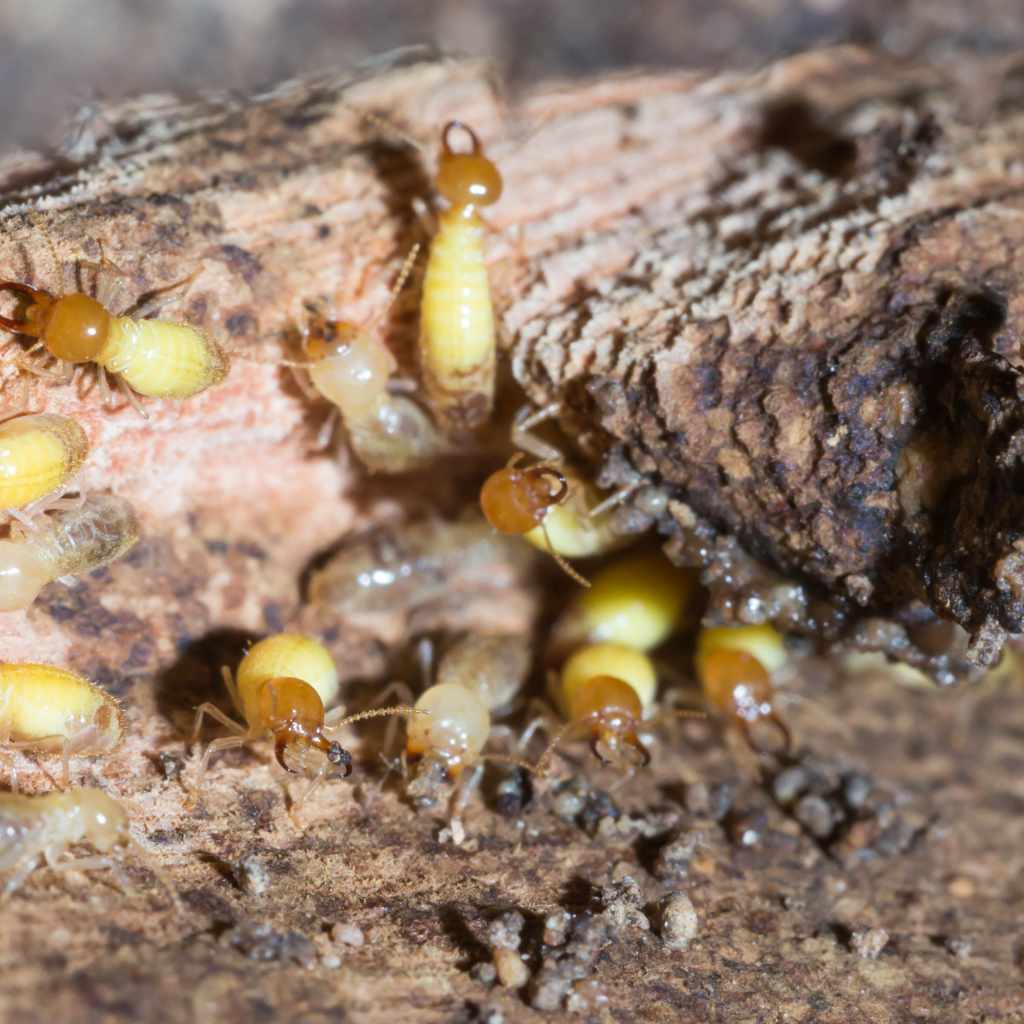
Dampwood Termites vs Drywood Termites: Key Differences Explored
Now that we’ve looked at each type individually, let’s directly compare Dampwood Termites vs Drywood Termites: Key Differences. The most fundamental distinction lies in their moisture requirements. This single factor dictates where they live, what wood they eat, and the signs they leave behind.
Understanding this primary difference will help you identify which type of termite might be causing a problem around your property.
Moisture Requirements A Primary Distinction
The most significant difference between dampwood termites and drywood termites is their need for moisture. Dampwood termites require wood with a high moisture content, often above 30%. They are drawn to wood that is already decaying or is consistently exposed to water.
This means they are typically found in areas with water damage, such as leaky roofs, plumbing issues, or wood in direct contact with damp soil.
Drywood termites, conversely, can thrive in wood with very low moisture content, sometimes as low as 5%. They do not need contact with the soil and can infest dry structural lumber, furniture, and even books. Their ability to survive without a significant water source makes them a different kind of threat, often infesting parts of a house far from potential water leaks.
Habitat and Location of Infestation
Because of their moisture needs, dampwood termites are usually found in decaying logs, stumps, or wood that is in constant contact with the ground. They might infest the lower, moisture-prone areas of a building, like basements or crawl spaces, if water damage is present. Their activity is localized to the damp wood they inhabit.
Drywood termites, on the other hand, can be found in drier parts of a structure. This includes attics, wall voids, wooden furniture, picture frames, and even wooden beams that have remained dry. They don’t need to be near the ground and can infest upper levels of a house or wooden items stored in dry environments.
Fecal Pellets (Frass) As Identification Markers
The type of fecal pellets, or frass, is a key indicator for distinguishing between these two termite types. Drywood termites produce distinctive, hexagonal pellets that are dry and look like coarse sand or sawdust. These pellets are pushed out of kick-out holes and accumulate below, forming piles that are often the first visible sign of an infestation.
Dampwood termites do not produce such distinct dry pellets. Their droppings tend to be moist and clumped together, often mixed with wood particles. Because they live in very damp wood, their frass is not dry and does not accumulate in the same way as drywood termite frass.
If you see dry, sandy pellets, you are likely dealing with drywood termites.
Colony Size and Structure
Generally, dampwood termite colonies are smaller and less complex than those of subterranean or even drywood termites. They often begin with a single pair of reproductives and expand as needed within their moist wood environment. They lack a specialized worker caste, with nymphs taking on these roles.
Drywood termite colonies are also relatively small, often numbering only a few thousand individuals, and are typically contained within the infested wood. They have distinct castes of reproductives, workers, and soldiers. Their colony development can be slower because they don’t have a dedicated worker force constantly expanding the nest and foraging, but they can still cause significant damage over time.
Potential for Damage
Both types of termites can cause significant structural damage, but the nature of the damage can differ. Dampwood termites, by their nature, tend to infest wood that is already compromised by moisture. While they consume wood, their presence often highlights pre-existing water damage issues.
The damage can be rapid if the moisture source is continuous.
Drywood termites can cause damage to dry, sound wood. Over time, they can hollow out structural components, furniture, and other wooden items, weakening them considerably. Because their infestations are often hidden within the wood and develop slowly, the damage can be extensive before it is detected.
Preventing Termite Infestations
Preventing termite infestations is always better than dealing with an active problem. This involves regular inspections, good maintenance practices, and reducing conditions that attract termites. For both dampwood and drywood termites, controlling moisture and eliminating potential food sources are key strategies.
This section will cover practical steps you can take around your home to keep these wood-destroying insects at bay.
Moisture Control Strategies
Controlling moisture is paramount, especially for preventing dampwood termites, but it also helps deter drywood termites. Ensure that your home’s exterior is properly sealed. Fix any leaky pipes, faucets, or roofs promptly.
Proper drainage around the foundation is also crucial, ensuring water flows away from the house rather than pooling near the wooden structures.
In basements and crawl spaces, consider using dehumidifiers to keep the air dry. Ensure that any wood in contact with the ground is treated or protected. For drywood termites, while they don’t need excessive moisture, overly humid areas can still make wood more palatable.
Keeping all wooden elements of your home as dry as possible is a good general rule.
Wood to Soil Contact Reduction
Termites, especially dampwood and subterranean termites, often use wood in direct contact with the soil as a bridge to reach your home. It’s essential to eliminate this direct contact. Ensure that wooden structures like decks, fences, and siding do not touch the ground.
Use concrete footings, metal termite shields, or treated lumber for any wooden elements that must be near the soil.
This practice not only deters termites but also helps prevent rot and other pest infestations that can be attracted to damp, decaying wood. Regularly check the areas where wood meets soil for any signs of bridging or infestation.
Regular Inspections and Maintenance
Routine inspections are vital for early detection. Periodically examine the exterior and interior of your home for any signs of termite activity, such as mud tubes, frass piles, or damaged wood. Pay close attention to areas that are prone to moisture or are in contact with the ground.
Good maintenance includes keeping firewood stacked away from the house and off the ground. Trim trees and shrubs so they don’t touch your home, as these can provide pathways for termites. Addressing any water damage or wood rot promptly can prevent infestations from taking hold.
Sealing Entry Points
Termites can enter your home through very small openings. Seal any cracks and crevices in the foundation, walls, and around utility lines. Ensure that window and door seals are intact.
While this is a general pest control measure, it can also help limit access for termites looking for entry points into drier wooden parts of your home.
Even small gaps can become entry points for termite swarmers looking to establish new colonies. Regularly inspecting and sealing these potential access points is a proactive step in preventing an infestation.
Detecting and Treating Termite Issues
Spotting termites early can save your home from extensive damage. Detection methods vary depending on whether you suspect dampwood or drywood termites. Once identified, various treatment options are available.
This section will outline how to effectively detect termite activity and discuss common treatment approaches.
Inspection Techniques
Professional termite inspections are the most thorough way to detect an infestation. Inspectors use specialized tools and their expertise to identify signs of termites, moisture issues, and potential entry points. They can differentiate between various termite species based on the evidence found.
For homeowners, regular self-inspections can be beneficial. Look for the characteristic frass of drywood termites or signs of damp, damaged wood from dampwood termites. Tapping on wood can reveal hollow areas indicative of tunneling.
Listening for clicking sounds or observing swarming activity are also important indicators.
Treatment Options for Dampwood Termites
Treating dampwood termites often involves addressing the source of moisture. This might include repairing leaks, improving ventilation, and removing infested wood. In some cases, direct application of termiticides to the infested wood or soil may be necessary.
For localized infestations in logs or stumps, removing the infested material entirely is often the best solution.
If dampwood termites have infested structural wood, professionals may use chemical treatments injected into the wood or applied to the soil around the foundation. The goal is to eliminate the termites and prevent reinfestation by addressing the underlying moisture problems.
Treatment Options for Drywood Termites
Drywood termite treatment can involve several methods. Localized treatments include fumigation of individual pieces of furniture or wood structures, or injecting termiticides directly into infested galleries. Whole-structure fumigation, which tents the entire house, is a common but disruptive method for severe drywood termite infestations.
Baiting systems are also effective for drywood termites. These systems involve placing bait stations around the property that contain a slow-acting poison. The termites consume the bait and carry it back to the colony, eventually killing the entire colony.
This method is less disruptive than fumigation.
Professional vs. DIY Treatments
While some DIY pest control products are available, dealing with termite infestations, especially extensive ones, is best left to professionals. Termite treatments require specialized knowledge, equipment, and chemicals to be effective and safe. Professionals can accurately identify the termite species, assess the extent of the infestation, and implement the most appropriate treatment plan.
DIY treatments might provide a temporary fix but often fail to eliminate the entire colony, leading to recurring problems. Furthermore, improper use of termiticides can be hazardous to health and the environment.
Comparison Table Dampwood vs Drywood Termites
To help visualize the differences clearly, here is a table comparing dampwood termites and drywood termites side-by-side. This table highlights the key characteristics that set them apart, making identification easier.
| Feature | Dampwood Termites | Drywood Termites |
|---|---|---|
| Moisture Requirement | High moisture content (often > 30%) | Low moisture content (often < 15%) |
| Preferred Habitat | Decaying logs, stumps, moist structural wood, wood in contact with soil | Dry structural lumber, furniture, wall voids, attics |
| Fecal Pellets (Frass) | Moist, clumped with wood particles, not distinct | Dry, hexagonal, coarse sand-like pellets, expelled from kick-out holes |
| Colony Size | Generally smaller, simpler structure | Relatively small (thousands), contained within wood |
| Signs of Infestation | Soft, crumbling wood; moisture damage; damp frass | Piles of dry frass pellets; shed wings; hollow-sounding wood |
| Need for Soil Contact | Often present, especially for younger colonies or access to moisture | Not required |
Frequently Asked Questions
Question: Are dampwood termites more destructive than drywood termites?
Answer: Both types can cause significant damage. Dampwood termites tend to infest wood that is already decaying due to moisture. Drywood termites can infest sound, dry wood and can hollow out structures over time, often without obvious signs until significant damage has occurred.
The perception of destructiveness can depend on the extent and location of the infestation and the vulnerability of the structure.
Question: Can drywood termites live in my furniture?
Answer: Yes, absolutely. Drywood termites are notorious for infesting dry, seasoned wood like that found in furniture, wooden picture frames, and even books. They do not need contact with the soil or high moisture levels, making them a threat to valuable wooden items in any part of your home.
Question: How can I tell if the damage is from termites or rot?
Answer: Termite damage typically involves tunnels or galleries within the wood, and you might find fecal pellets (frass). Rotting wood, on the other hand, is usually soft, crumbly, and may show signs of fungal growth or mold. Dampwood termites can sometimes blur this line as they prefer moist, decaying wood, but the presence of characteristic frass or tunneling patterns will help differentiate.
Question: Do dampwood termites swarm?
Answer: Yes, dampwood termites do swarm. Swarmers are the reproductive members of the colony that fly out to mate and establish new colonies. Their swarming behavior is similar to other termite species, and seeing them can be an indication of an active infestation nearby, especially in areas with high moisture levels.
Question: Is it safe to try and treat termites myself?
Answer: For minor, localized issues and if you are confident in identifying the pest and the problem area, some DIY treatments might be attempted. However, for most termite infestations, especially those that are widespread or involve structural wood, it is highly recommended to hire a professional pest control service. They have the expertise, tools, and appropriate chemicals to effectively and safely eradicate the infestation.
Final Thoughts
Differentiating between dampwood termites and drywood termites comes down to a few key factors, primarily their moisture needs. Dampwood termites seek out wet environments, making them a sign of underlying water issues. Their droppings are moist and clumped.
Drywood termites, conversely, can thrive in perfectly dry wood, often infesting furniture and structural elements without being near water. Their signature is the small, dry fecal pellets they push out.
Recognizing these differences helps in early detection and choosing the right approach to deal with them. Paying attention to moisture levels in and around your home, conducting regular inspections, and knowing what signs to look for are your best defenses. If you suspect termites, don’t hesitate to get a professional inspection.
Early action can save your home from extensive damage and costly repairs, ensuring your peace of mind and the integrity of your property.
Recent Posts
Many people wonder if they can safely burn firewood that might have termites. It's a common question because nobody wants to damage their home or start a fire that's not safe. The good news is,...
It’s pretty common for folks to wonder, Can You Hear Termites Eating Wood? Warning Signs can sometimes be sneaky, and for those new to spotting them, it might feel a little tricky. You might be...