

Tackling termites yourself can seem tricky, especially if you’re new to pest control. Many people worry about doing it wrong or not getting rid of the problem completely. That’s why a clear, simple way to handle it is so important.
This DIY Drywood Termite Treatment: Effective Step-by-Step Guide aims to make the process easy to follow. We’ll walk you through each stage, so you feel confident taking on these wood-damaging pests. Let’s start by figuring out if you actually have drywood termites.
Identifying Drywood Termites
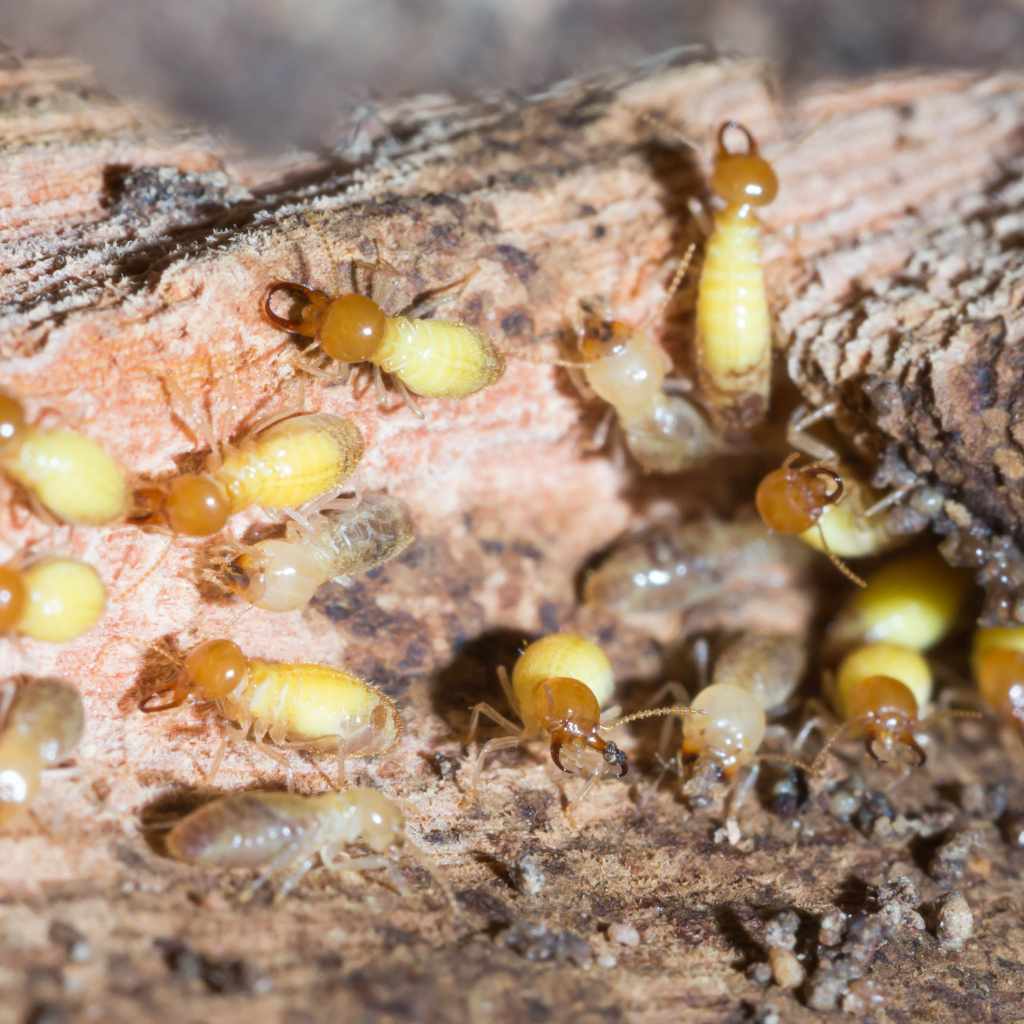
Before you can treat drywood termites, you need to be sure that’s what you’re dealing with. Drywood termites live inside dry wood and don’t need contact with soil, unlike subterranean termites. Spotting them early is key to preventing significant damage to your home’s structure.
This section helps you confirm their presence and understand their unique habits. Knowing your enemy is the first step to winning the battle against these wood-destroying insects.
Signs of Drywood Termite Infestation
One of the most common signs of drywood termites is the presence of fecal pellets, also known as frass. These pellets are small, dry, and hexagonal, resembling sawdust. Termites push these pellets out of small “kick-out” holes in their galleries.
You might find piles of this frass near baseboards, windowsills, or on furniture.
- Fecal Pellets (Frass)
Termite frass is a critical indicator. Drywood termites create these pellets by digesting the cellulose from wood and excreting the remaining indigestible material. The pellets are typically six-sided and dry, and their appearance can vary slightly depending on the wood they are consuming.
You’ll often find them in small piles, which is a dead giveaway that termites are active nearby. Regularly cleaning up these piles can make it harder to spot new activity, so it’s important to look for them even if you try to keep your home tidy.
- Swarmers or Shed Wings
Termite swarmers, also called reproductives, are winged termites that fly out from an established colony to start new ones. After swarming, they shed their wings. Finding these shed wings, often near windows or light sources, is another strong sign of an infestation.
The wings are usually clear or smoky in color and are roughly the same size. Seeing a swarm itself is a very clear indication of a problem, but even finding shed wings without seeing the swarmers means a colony is nearby.
- Damaged Wood
Drywood termites tunnel through wood, creating galleries. Unlike subterranean termites that leave mud tubes, drywood termites typically leave the wood surface intact. However, if you tap on infested wood, it might sound hollow.
You might also see blistered or peeling paint on surfaces where termites have tunneled just beneath the wood’s surface. This damage can be extensive and weaken structural components over time.
- Mud Tubes
While less common with drywood termites compared to subterranean termites, some species might create small, thin mud tubes on exposed wood surfaces for protection or to move between feeding sites. These tubes are less substantial than those made by subterranean termites.
Distinguishing Drywood Termites from Other Pests
It’s important to correctly identify drywood termites to use the right treatment methods. Ants, especially carpenter ants, can sometimes be mistaken for termites. Ants have a pinched waist and elbowed antennae, while termites have a straight waist and beaded antennae.
Carpenter ants also excavate wood to build nests but do not eat the wood; they push sawdust and debris out of their tunnels, which can look like termite frass but usually contains insect parts.
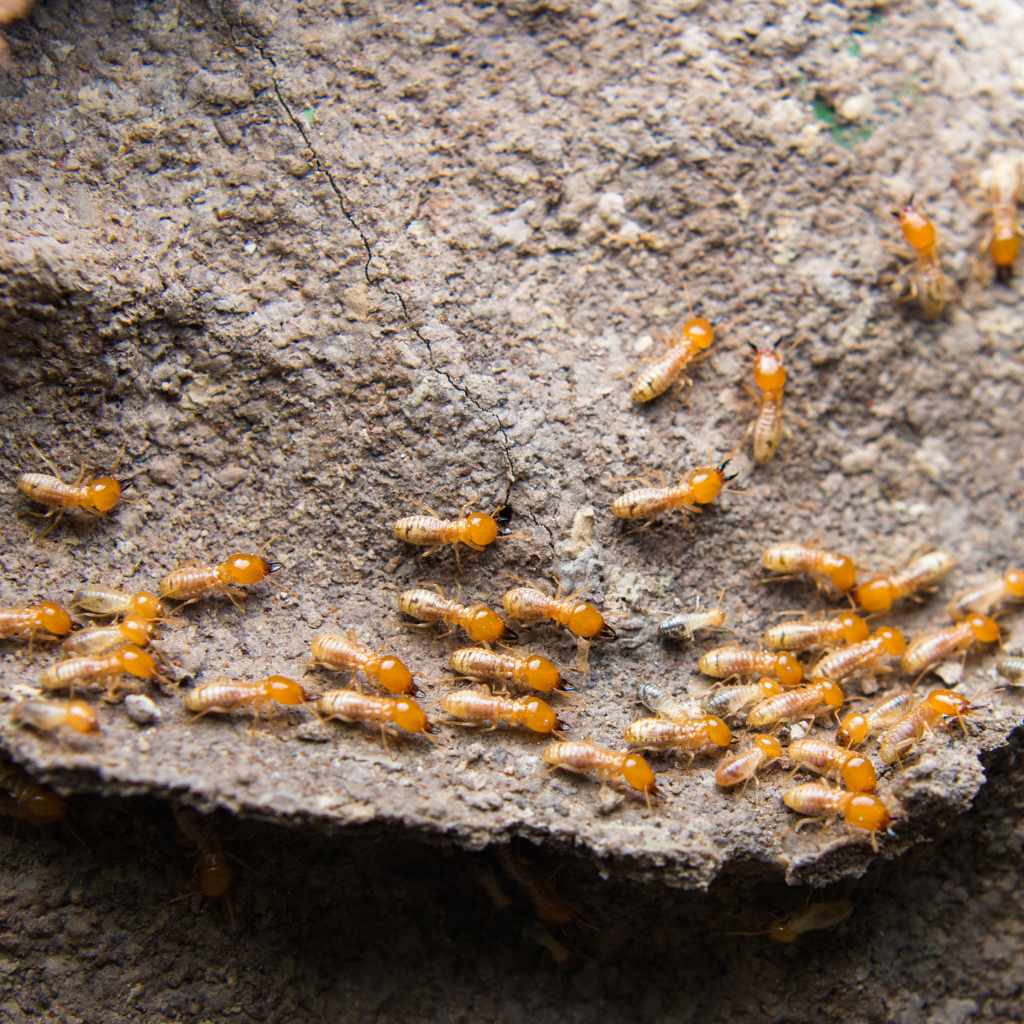
Subterranean termites are another common pest. The key difference is their need for moisture and soil contact. You’ll often see mud tubes made of soil and saliva that they use to travel from the soil to their food source (wood).
If you find these mud tubes, your problem is likely subterranean termites, and the treatment approach will differ significantly. Drywood termites do not rely on soil and can infest structures far from the ground, like attics or furniture.
DIY Drywood Termite Treatment Methods
Once you’ve confirmed you have drywood termites, it’s time to consider treatment. There are several DIY methods you can employ, ranging from direct application of treatments to more preventative measures. The effectiveness often depends on the extent of the infestation and the accessibility of the affected areas.
These methods aim to kill termites on contact or through ingestion, providing a direct solution to the problem.
Spot Treatment with Direct Contact Killers
Direct contact killers are sprays or foams designed to kill termites on impact. They are best suited for localized infestations where you can directly access the termites or their tunnels. These products work by disrupting the termites’ nervous systems, leading to rapid death.
For a DIY approach, it’s crucial to use these products precisely where you see activity.
- How They Work
Contact insecticides contain active ingredients like pyrethroids (e.g., permethrin, bifenthrin) or fipronil. When these chemicals come into contact with a termite’s exoskeleton, they damage its nervous system. This leads to paralysis and death.
Some products are fast-acting, killing termites within minutes or hours of exposure. Others have a residual effect, meaning they remain active for a period, continuing to kill termites that come into contact with treated surfaces.
- Application Techniques
For spot treatments, you’ll typically use an aerosol can with a straw-like applicator to inject the product directly into kick-out holes or infested wood. If using a foam product, it expands to fill voids and cracks, reaching termites in hidden areas. Ensure you wear protective gear, such as gloves and a mask, as these chemicals can be harmful if inhaled or if they come into contact with skin.
- Limitations of Spot Treatment
While effective for small, visible infestations, spot treatments are not a good solution for widespread or hidden termite activity. Termites can create extensive networks of galleries within the wood, and it’s difficult to reach all of them with a direct spray. Over-reliance on spot treatments for a larger problem can lead to a false sense of security while the infestation continues to grow.
It’s also important to note that some termites may avoid treated areas, surviving and continuing to damage your home.
Using Baits for Termite Control
Termite bait systems are a popular and effective DIY method. These systems involve placing bait stations around your home. The bait contains a slow-acting insecticide that termites consume and carry back to their colony, effectively eliminating the entire nest over time.
This method is less invasive than direct spraying and can be highly effective for both drywood and subterranean termites.
- The Concept of Baiting
Termite baiting works on the principle of social behavior. Termites are social insects that share food within the colony. The bait stations contain a food source (like cellulose) mixed with an insect growth regulator or another slow-acting poison.
When worker termites consume the bait, they are not killed immediately. This allows them to return to the colony and share the toxic food with other termites, including the queen, leading to the colony’s demise.
- Choosing and Placing Bait Stations
For DIY use, look for bait stations specifically designed for drywood termites, though many general termite bait systems can also be effective. Place the bait stations around the perimeter of your home, especially near areas where you’ve seen termite activity or suspect it might occur. Follow the manufacturer’s instructions carefully for placement and maintenance.
Regular monitoring of the bait stations is essential to ensure they are being consumed and to replace bait as needed.
- Advantages and Disadvantages of Baiting
The primary advantage of baiting is its ability to eliminate the entire colony, including the queen, leading to a more permanent solution. It’s also less disruptive and less reliant on directly spraying chemicals into your home. However, it takes time for the bait to work, and results may not be seen for weeks or even months.
There’s also a chance that termites might not find the bait stations initially, especially if there are other readily available food sources for them.
Wood Treatment and Borates
Borates are naturally occurring minerals that are toxic to termites. They can be applied directly to wood surfaces or injected into infested areas. Borates work by disrupting the termites’ digestive enzymes and interfering with their ability to process wood.
This method is also effective as a preventative measure against future infestations.
- What Are Borates
Borates, such as boric acid and disodium octaborate tetrahydrate (DOT), are compounds derived from boron. They are low in toxicity to humans and pets when used as directed, making them a relatively safe option for DIY pest control. They act as stomach poisons for termites, meaning termites must ingest them for them to be effective.
Borates also have a deterrent effect, making treated wood less attractive to termites.
- Application Methods for Wood
Borates come in various forms, including powders, liquids, and gels. For treating existing infestations, you can inject a borate solution or powder directly into termite galleries or kick-out holes using a specialized applicator. For preventative treatment of lumber or wooden structures, you can brush or spray a borate solution onto the wood surface.
Ensure thorough coverage for maximum protection.
- Benefits of Borate Treatments
Borate treatments offer a long-lasting solution because the boron remains in the wood. They are effective against a wide range of wood-destroying insects. Because they are less toxic than many synthetic pesticides, they are often preferred for use in homes where children and pets are present.
Borates are also environmentally friendly and biodegradable.
Advanced DIY Techniques and Prevention
Beyond direct treatment, there are more advanced DIY strategies and preventative measures that can significantly reduce the risk of drywood termite infestations and help manage existing ones more effectively. These methods often involve a combination of physical barriers, environmental modifications, and regular inspections. Proactive care is just as important as reactive treatment when it comes to protecting your home.
Encapsulation for Termite Prevention
While full home encapsulation is a professional job, understanding the concept can help you implement some preventative measures. Encapsulation involves sealing off areas where termites can enter or hide. For DIY purposes, this means diligently sealing cracks and crevices in the foundation, walls, and around utility penetrations.
This physically blocks termite pathways.
- Sealing Entry Points
Termites can exploit even the smallest openings to gain entry into your home. Thoroughly inspect the exterior and interior of your house for any cracks in the foundation, gaps around pipes or wires, or damaged weatherstripping around doors and windows. Use caulk, expanding foam, or other appropriate sealing materials to close these gaps.
Pay special attention to areas where wood meets concrete or masonry.
- Moisture Control
Although drywood termites don’t need soil contact, they are still attracted to areas with some level of moisture. Ensure your home has good ventilation, especially in attics and crawl spaces, to prevent moisture buildup. Fix any leaky pipes, faucets, or roofs promptly.
Reducing humidity can make your home less inviting to termites.
- Wood-to-Ground Contact Elimination
For subterranean termites, eliminating wood-to-ground contact is a primary prevention strategy. While drywood termites don’t rely on soil, this practice also helps reduce general pest issues. Ensure that any wooden structures or components of your home are at least a few inches above the soil line.
This applies to decks, fences, and even firewood stored near the house.
Using Heat or Cold Treatment for Small Infestations
For very small, localized infestations, targeted heat or cold treatments can be effective. These methods kill termites by extreme temperature changes. Heat treatment involves raising the temperature of the infested wood to a lethal level, while cold treatment uses extreme cold to kill them.
These are often used for individual pieces of furniture or small wooden objects.
- Heat Treatment Principles
Professionals often use specialized equipment to heat entire structures, but for DIY, you can target smaller items. One method is to place infested items in direct sunlight on a very hot day. Another approach is using a heat gun (with extreme caution) to warm the affected wood to temperatures above 120°F (49°C) for a sustained period.
The goal is to penetrate the wood and kill termites within the galleries.
- Cold Treatment Methods
Cold treatment involves lowering the temperature of the infested wood to lethal levels. For small items like furniture, you can place them in a freezer for a few days. Ensure the item is completely frozen solid.
This method is effective but requires access to a large freezer or a specialized cold chamber if dealing with larger items. It’s a safe option as it doesn’t involve chemicals.
- Considerations and Limitations
These extreme temperature methods are best for small, isolated infestations. They require precise temperature control and duration to be effective. For larger infestations or structural wood, these methods are often impractical or insufficient.
There’s also a risk of damaging the wood or surrounding materials if not done carefully.
Regular Inspections and Monitoring
Consistent inspection and monitoring are fundamental to any successful pest management plan, especially for drywood termites. Catching an infestation in its early stages significantly increases your chances of successful DIY treatment and minimizes potential damage. Making this a routine part of home maintenance is crucial.
- What to Look For During Inspections
During your regular inspections, look for the tell-tale signs of drywood termites: frass pellets, shed wings, damaged wood, and any unusual sawdust-like material. Pay close attention to areas where wood meets other materials, such as around windows, doors, baseboards, and attic eaves. Also, check any wooden furniture, especially if it’s old or has been in storage.
- Frequency of Inspections
It’s recommended to conduct thorough inspections at least twice a year, typically in the spring and fall, when termite activity might increase. However, if you live in a region known for high termite populations or have had previous infestations, more frequent checks might be necessary. Early detection is your best defense.
- Documenting Findings
Keep a log of your inspections. Note down the date, areas you inspected, and any signs of potential pest activity you found, even if they seemed minor. If you find frass, try to collect a sample or take clear photos.
This documentation helps you track activity over time and identify trends or recurring problem areas.
When to Call a Professional
While DIY Drywood Termite Treatment: Effective Step-by-Step Guide offers great solutions for many situations, there are times when professional help is necessary. Knowing when to escalate is as important as knowing how to treat the problem yourself. Large-scale infestations, inaccessible areas, or recurring problems often require the expertise and specialized equipment that only professionals possess.
Assessing the Severity of Infestation
The first step in deciding whether to call a professional is to honestly assess the severity of the infestation. If you’re finding small piles of frass in a few isolated spots, your DIY efforts might be sufficient. However, if you’re seeing frass throughout multiple rooms, in structural beams, or if you find extensive damage, the problem might be too widespread for DIY methods alone.
- Widespread Damage Signs
Widespread damage is characterized by termites having tunneled extensively through various wooden elements of your home. This could include multiple rooms showing signs of infestation, damage to structural beams in the attic or crawl space, or damage to support structures. If you can see significant tunnels or feel that the wood is compromised in several locations, it’s a strong indicator that the infestation is beyond localized treatment.
- Inaccessible Infestation Areas
Drywood termites can infest areas that are difficult to reach, such as inside wall voids, deep within attics, or within complex architectural features. If the infested wood is not easily accessible with standard DIY tools and treatments, it’s best to consult professionals. They have specialized equipment like endoscopes and fumigation tents to reach and treat these hidden colonies.
- Recurring Problems
If you’ve tried DIY treatments and the termites keep coming back, it suggests that your methods are not eradicating the entire colony. A professional pest control service can conduct a more thorough inspection, identify the root cause of the recurring problem, and implement a treatment plan that is more likely to provide long-term control.
Professional Treatment Options
Professional pest control companies offer a range of treatments that are often more potent and effective than DIY options for severe infestations. These can include fumigation, localized tenting, and the use of professional-grade insecticides. They also have the training to identify all types of termites and apply the correct treatment for maximum efficacy.
- Fumigation (Whole Structure Treatment)
Fumigation involves covering your entire house with tarps and introducing a gas that penetrates all wood, killing termites everywhere within the structure. This is one of the most effective methods for widespread drywood termite infestations. It requires vacating your home for a period but provides a complete eradication of termites.
- Localized Tenting (Spot Fumigation)
For infestations concentrated in specific areas of the house, localized tenting might be an option. A smaller tent is placed over the affected section, and gas is introduced to treat only that area. This is less disruptive than whole-house fumigation but may not be suitable for widely dispersed infestations.
- Professional Grade Insecticides and Baits
Pest control professionals have access to insecticides and baiting systems that are not available to the general public. These products may be more potent or have longer residual effects. They also possess the knowledge to apply these products safely and effectively, ensuring that the entire colony is targeted.
Cost-Benefit Analysis of DIY vs. Professional
When weighing DIY versus professional treatment, consider both the upfront cost and the potential long-term expenses. DIY treatments are generally cheaper initially. However, if they fail, the cost of subsequent professional treatments and repairs for further damage can be much higher.
Professionals may have a higher upfront cost, but their methods can offer more reliable, long-term protection and prevent costly structural repairs down the line.
Frequently Asked Questions
Question: How long does it take for DIY drywood termite treatments to work?
Answer: The effectiveness and speed of DIY treatments vary. Direct contact killers can kill termites within minutes to hours. Bait systems take weeks to months to eliminate a colony.
Borate treatments work over time as termites ingest the treated wood.
Question: Can I treat drywood termites in my furniture?
Answer: Yes, for localized infestations in furniture, you can use spot treatments with direct contact killers, inject borates into galleries, or use heat/cold treatments by placing the item in direct sunlight or a freezer for several days.
Question: Are DIY termite treatments safe for pets and children?
Answer: Many DIY treatments, like borates and some bait systems, are considered relatively safe when used according to label instructions. However, always read product labels carefully and keep pets and children away from treated areas until they are dry or the area is deemed safe.
Question: What is the difference between drywood and subterranean termites?
Answer: Drywood termites live in dry wood and do not need soil contact. Subterranean termites live in the soil and require moisture, building mud tubes to travel to food sources. Their treatment methods differ significantly.
Question: How can I prevent drywood termites from returning after treatment?
Answer: Prevention involves sealing all entry points, controlling moisture, eliminating wood-to-ground contact where possible, storing firewood away from the house, and conducting regular inspections to catch any new activity early.
Final Thoughts
Effectively managing drywood termites yourself is absolutely achievable with the right approach and tools. You’ve learned how to spot the signs of these persistent pests, from their tell-tale frass to the subtle damage they leave behind. We’ve explored various DIY treatment options, including direct contact killers for immediate action, bait systems for colony elimination, and the protective qualities of borates.
Remember that consistent inspection is your best ally; regularly checking for signs of trouble allows you to intervene before an infestation becomes a major problem.
For smaller, localized issues, direct treatments and borates can be excellent solutions. For more widespread problems, baiting systems offer a way to tackle the entire colony over time. It’s also important to know your limits.
If the infestation is too large, too hard to reach, or if your DIY efforts aren’t yielding results, don’t hesitate to bring in the professionals. They have specialized knowledge and equipment to handle the most challenging situations. Taking proactive steps, like sealing cracks and managing moisture, will go a long way in keeping your home termite-free.
Your vigilance and commitment to a step-by-step plan are key to protecting your home’s structure and value.
Recent Posts
Many people wonder if they can safely burn firewood that might have termites. It's a common question because nobody wants to damage their home or start a fire that's not safe. The good news is,...
It’s pretty common for folks to wonder, Can You Hear Termites Eating Wood? Warning Signs can sometimes be sneaky, and for those new to spotting them, it might feel a little tricky. You might be...