

Maple and oak trees are both beautiful and popular choices for landscapes. They offer different benefits and characteristics.
Comparing maple and oak trees helps you make the best choice for your garden. Both trees add charm and shade to any space. Each has unique features that may suit different needs. While maples are known for their vibrant fall colors, oaks are prized for their strength and longevity.
This comparison will help you understand the key differences and similarities. By the end, you’ll know which tree fits your landscape best. Let’s dive into the world of maples and oaks, and discover their unique qualities.
Introduction To Maple And Oak Trees
Maple trees are native to Asia, Europe, and North America. Oak trees are found in the Northern Hemisphere. Both have been around for millions of years. Maple trees were used for syrup by Indigenous peoples. Oak trees were used for building and tools.
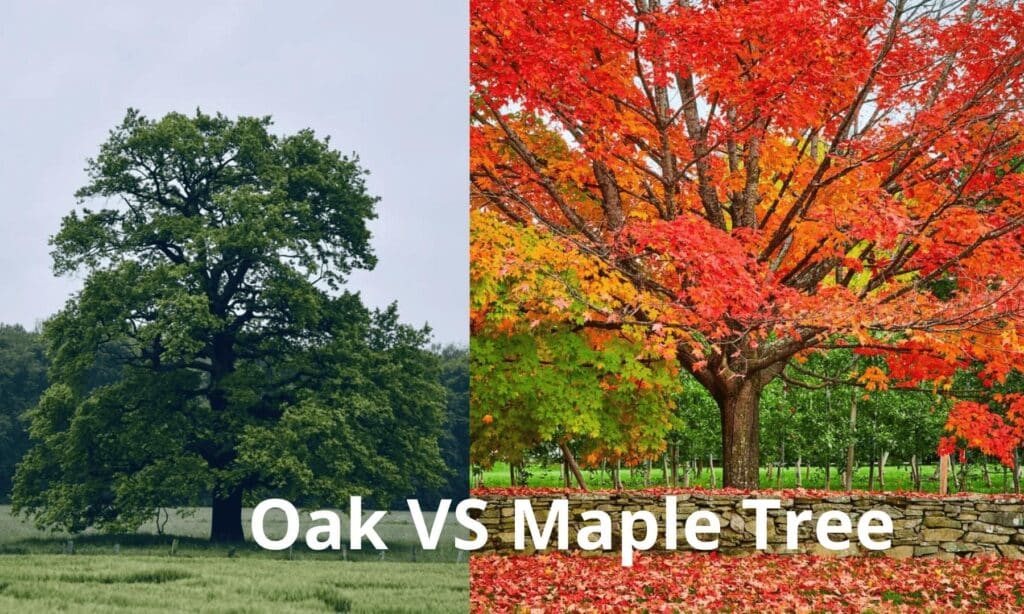
Maple trees have lobed leaves and produce helicopter seeds. Their wood is light and fine-grained. Oak trees have lobed or toothed leaves. They produce acorns. Their wood is strong and heavy. Maple trees turn bright red in fall. Oak trees turn brown or golden.

Climate And Soil Preferences
Maple trees prefer cool climates. They grow best in areas with moderate rainfall. Oak trees thrive in warmer climates. They need well-drained soil.
Maple trees need moist, fertile soil. They do well in slightly acidic conditions. Oak trees prefer neutral to alkaline soil. They grow best in deep, rich soils.
Growth And Lifespan
Maple trees grow faster than oak trees. Maple trees can grow up to 24 inches per year. Oak trees grow slowly. They grow about 12 inches per year. Maple trees reach maturity in 20-30 years. Oak trees take 50-60 years to mature. Both trees need sunlight and water to grow well.
Maple trees can live 100-150 years. Oak trees can live much longer. Some oaks live 300 years or more. Maples have shorter lifespans. Both trees need care to live long lives. Healthy trees live longer. Proper care is important for tree health.
Credit: joemarratreeservice.com
Aesthetic Appeal
Maple trees have leaves with sharp points. These leaves often turn bright red in the fall. Oak trees have leaves with rounded edges. Their leaves can be brown or yellow in autumn.
Maple trees change color in the fall. They show vivid red and orange hues. Oak trees also change color. Their leaves turn golden brown and deep yellow.
Maintenance Needs
Maple trees need regular pruning. This helps them grow well. Cut dead branches often. Prune young trees to shape them. Oak trees need less pruning. They grow strong on their own. Only remove dead branches.
Maple trees can attract pests. They may get leaf spots. Oak trees resist many pests. They rarely get diseases. Both trees need care to stay healthy. Keep an eye on them. Treat problems early.
Environmental Impact
Maple and oak trees differ in their environmental impact. Maple trees grow faster and provide more shade. Oak trees offer stronger wood and better carbon absorption.
Wildlife Habitat
Maple trees support many types of wildlife. Birds, squirrels, and insects live in them. Their leaves provide food for caterpillars. The tree’s sap attracts many animals.
Oak trees also offer great habitats. Many animals eat their acorns. Birds and insects live in their branches. Deer and squirrels often visit for food.
Carbon Sequestration
Both trees help capture carbon. Maple trees grow fast. They absorb a lot of carbon. This helps fight climate change.
Oak trees grow slower. But they live long lives. They store carbon for many years. Both trees are important for a healthy planet.
Common Uses In Landscaping
Maple and oak trees are great for shade. They grow tall and wide. Their leaves create a cool shade in summer. These trees also offer privacy. They block views from neighbors and streets. People love them for these reasons.
Maple trees have bright leaves in fall. They turn red, orange, and yellow. This adds beauty to gardens. Oak trees have strong branches. They look majestic and grand. Both trees enhance the look of yards. They make outdoor spaces attractive.
Cost And Availability
The initial cost of maple trees can be higher. They grow slower and need more care. Oak trees may be cheaper at first. They are common and easy to find. Both trees need good soil and water.
Maple trees can increase property value. Their leaves change color beautifully in fall. Oak trees also add value with their strong wood. Both trees live for many years. They provide shade and improve air quality.
Final Considerations
Choosing between maple and oak trees can be tough. Both trees are beautiful. Maple trees have bright red leaves in the fall. Oak trees are strong and live long. Think about what you like most. Do you prefer bright colors or strong trees?
Check if the tree suits your area. Maple trees need more water. Oak trees can handle dry weather. Both trees need sunlight. Make sure your yard has space. Maples grow wide. Oaks grow tall. Choose the tree that fits your local conditions.

Credit: ferrinbrookfarm.wordpress.com
Frequently Asked Questions
Which Tree Is Better, Oak Or Maple?
Oak is better for furniture due to its strength. Maple is preferred for its fine grain in flooring. Choose based on your specific needs.
How Can You Tell The Difference Between Maple And Oak?
Maple leaves are pointed and smooth, while oak leaves are lobed and have a rough texture. Maple wood is lighter and has a fine grain, whereas oak wood is darker with a prominent grain.
Do Maple Trees Grow Faster Than Oak?
Maple trees generally grow faster than oak trees. Maples can grow up to 24 inches per year, while oaks typically grow 12-24 inches annually. This makes maples a quicker option for those seeking faster growth.
How To Identify An Oak Tree?
Identify an oak tree by its lobed leaves with pointed or rounded tips. Look for acorns as seeds. The bark is rough and deeply ridged. Oak trees have a sturdy, broad trunk.
Conclusion
Choosing between maple and oak trees depends on your needs. Maple trees offer vibrant fall colors. Oak trees provide strong, durable wood. Both trees have unique characteristics and benefits. Consider the climate, soil, and space available. Think about maintenance and long-term growth.
Each tree brings beauty and value to any landscape. Make an informed decision based on your preferences. Enjoy the natural beauty and benefits of your chosen tree. Your garden will thrive with either choice.
Recent Posts
Many people wonder if they can safely burn firewood that might have termites. It's a common question because nobody wants to damage their home or start a fire that's not safe. The good news is,...
It’s pretty common for folks to wonder, Can You Hear Termites Eating Wood? Warning Signs can sometimes be sneaky, and for those new to spotting them, it might feel a little tricky. You might be...